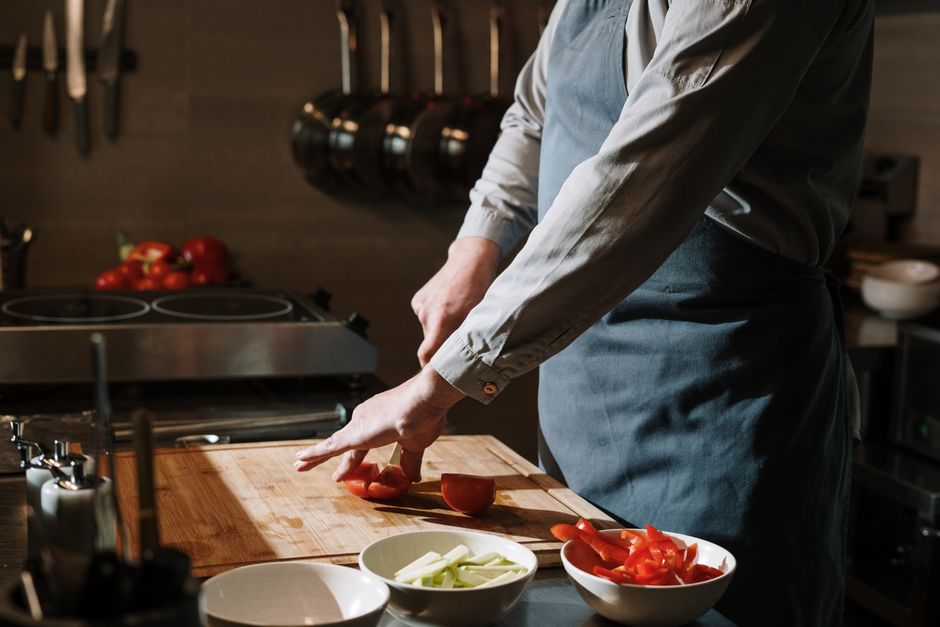
Monday morning at the Grand Army Plaza Greenmarket, shoppers left with bundles of June strawberries and early tomatoes. For many, the next stop was their kitchen counter—and a well-used cutting board. With local produce at its peak, questions about which board is best have resurfaced among home cooks.
Wooden boards remain a mainstay in many Brooklyn apartments. Some prefer their look and feel, despite higher prices. At Whisk, the kitchen supply shop on Bedford Avenue, staff pointed to maple and walnut boards starting around $40. "They’re heavier, but gentle on knives," said one employee, arranging a display near the register.
Others opt for plastic, citing ease of cleaning. Color-coded boards, sold in sets for under $20, are increasingly common for those with small sinks or dishwashers. Rubber boards, less familiar to some, have found a niche among line cooks for being durable and easy to sanitize.
Health codes in city kitchens require boards to be replaced when deep grooves appear, a rule home cooks sometimes overlook. Most sellers advise washing boards with hot water after each use, drying them upright, and oiling wood boards every few weeks in humid weather. A chef at a Carroll Gardens café said, "This is the season when we see boards warp on hot countertops."
As barbecue season continues and kitchens stay busy, the basic tools are drawing a closer look. Cutting board selection, and maintenance, are on the minds of many slicing through this summer.